

Liposuction Turkey refers to having liposuction performed in Turkey, where many patients seek body contouring to reduce stubborn fat deposits and create a slimmer, more balanced silhouette. Liposuction is designed for shaping—not weight loss—so it’s most effective for areas that don’t respond well to diet and exercise, such as the abdomen, flanks, thighs, arms, back, or under the chin. By targeting localized fat pockets, the procedure can refine proportions and help clothing fit better while keeping the result natural-looking.
Because each body stores fat differently, a successful Liposuction Turkey plan is always personalized. The surgeon evaluates your fat distribution, skin elasticity, and overall goals to determine the safest technique and the number of areas that can be treated in one session. With proper aftercare—typically including compression garments, early light movement, and activity restrictions—swelling gradually settles and the new contours become clearer over time, supporting long-lasting results when weight remains stable.

What Is Liposuction in Turkey?
Liposuction in Turkey is a cosmetic body-contouring surgery that removes stubborn fat deposits from targeted areas to improve shape and proportion. People searching Liposuction Turkey are usually not trying to “lose weight” through surgery—they’re aiming to refine specific zones that don’t respond well to diet and exercise, such as the abdomen, flanks, thighs, arms, back, or chin. By reducing localized fat pockets, liposuction can create smoother lines, better balance between body areas, and a more defined silhouette.
What liposuction can and can’t do is important. It can reshape and slim areas by removing fat cells, but it doesn’t replace healthy habits, and it isn’t meant to treat significant loose skin. The best outcomes happen when skin elasticity is good enough to tighten over the new contour, and when the treatment plan is conservative and precise. In Turkey, liposuction is often offered as a tailored plan—single area or multi-area sculpting—based on your anatomy, safety limits, and aesthetic goals.
Why Choose Turkey for Liposuction?
Many patients choose Liposuction Turkey because Turkey is a well-known destination for aesthetic surgery with clinics that frequently treat international patients. High case volume can mean surgical teams are experienced with common contour goals and have organized workflows for consultation, surgery, and early follow-up. For travelers, having a structured timeline and coordinated care can make the process feel more manageable, especially during the first days of recovery.
Another reason is the overall treatment experience, which may include coordinated logistics and scheduled post-op checks during your stay. Still, outcomes depend far more on choosing the right provider than on the destination itself. The safest approach is to verify surgeon credentials, confirm facility standards and anesthesia support, understand what is included in your plan, and ensure the clinic provides clear guidance for recovery and travel. A reputable clinic will prioritize medical screening and realistic expectations over aggressive “maximum fat removal” promises.
Who Is a Good Candidate for Liposuction?
A good candidate is usually close to their goal weight, has localized fat deposits, and has skin quality that can adapt smoothly after fat removal.
- Stable weight and not seeking major weight loss
- Stubborn fat pockets resistant to diet and exercise
- Good skin elasticity (for smoother retraction)
- Generally healthy and fit for anesthesia
- Non-smoker (or willing to stop before/after as advised)
- Realistic expectations about contouring and recovery
- Willingness to follow compression and activity guidance
Areas Treated With Liposuction
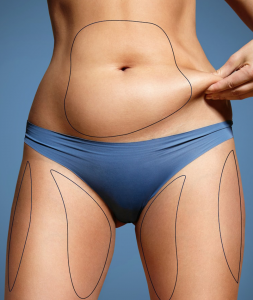
Liposuction can target many areas where fat tends to collect and disrupt proportions, and the best plan focuses on smooth transitions rather than isolated “spot removal.”
- Abdomen (upper/lower)
- Flanks / love handles
- Waist and lower back
- Thighs (inner/outer)
- Hips and saddlebags
- Arms (upper arms)
- Back (bra line area)
- Chest (selected cases)
- Chin and neck (submental area)
- Knees (selected cases)
Types of Liposuction in Turkey
Clinics in Turkey may offer different liposuction technologies and techniques, and the right choice depends on your anatomy, goals, and the surgeon’s experience with each method.
- Traditional (suction-assisted) liposuction
- Ultrasound-assisted liposuction (e.g., VASER-style)
- Power-assisted liposuction (PAL)
- Laser-assisted liposuction
- High-definition / 4D sculpting (for selected candidates)

Liposuction vs Non-Surgical Fat Reduction
Liposuction is a surgical method that physically removes fat cells, which typically produces more noticeable and predictable contour change—especially when larger or multiple areas need shaping. Because the fat is suctioned out, results can be more dramatic, and the body usually shows a clearer silhouette improvement once swelling settles. However, it requires anesthesia, downtime, compression garments, and careful recovery habits, making it a bigger commitment than non-surgical approaches.
Non-surgical fat reduction methods aim to reduce fat gradually over time without incisions, usually with minimal downtime. These options may suit people who want subtle improvement, prefer to avoid surgery, or have small pockets of fat. The trade-off is that changes are often more modest, may require multiple sessions, and cannot address loose skin in a meaningful way. Many patients choose Liposuction Turkey when they want a more direct, reshaping-focused result and are comfortable with a surgical recovery.
How Is Liposuction Performed in Turkey?
Liposuction in Turkey typically starts with a consultation and surgical planning to map out the areas to be treated and the contour goals. On the day of surgery, anesthesia is provided based on the extent of treatment, and small incisions are made in discreet locations. A thin cannula is inserted to break up and remove fat in a controlled manner, aiming for smooth transitions rather than overly aggressive removal that could lead to irregularities.
After fat removal, incisions are closed or left to drain depending on the technique and surgeon preference, and compression garments are usually applied immediately to reduce swelling and help the tissues settle. Early mobility is often encouraged to support circulation, while strenuous activity is restricted. A good Liposuction Turkey plan includes follow-up checks during your stay to monitor swelling patterns, incision healing, and overall recovery progress before travel.
How Long Does Liposuction Surgery Take?
Liposuction duration depends on how many areas are treated, how large each area is, and whether advanced sculpting or combination procedures are included. A single small area usually takes less time than multi-area contouring of the abdomen, flanks, back, and arms, because the surgeon must work carefully to keep the contour even and symmetrical across wider zones. Procedure time also increases when fat is more fibrous or when higher-definition detailing is performed.
It’s also important to consider total time at the facility. Pre-op preparation, anesthesia, and post-op monitoring add time beyond the operating room portion, and multi-area cases can require longer observation afterward. Your surgeon can give the most accurate estimate after evaluating your goals and designing a plan that balances results with safe operative limits.
Is Liposuction Safe in Turkey?
Liposuction can be safe in Turkey when performed by a qualified surgeon in a properly equipped facility with appropriate anesthesia support and modern safety protocols. Safety depends on medical screening, conservative fat-removal limits, sterile technique, and structured aftercare—especially early mobility, compression use, and monitoring for swelling, fluid shifts, or signs of infection. Choosing an experienced team is crucial because good technique reduces risks like contour irregularities, prolonged swelling, and complications related to fluid balance.
Because many Liposuction Turkey patients are international travelers, safety also includes travel planning and follow-up structure. A reputable clinic will provide clear instructions, schedule post-op checks before you leave, and give guidance on what to do if issues arise after you return home. If a provider promises extreme results with minimal discussion of risks, recovery, and safe limits, that’s a red flag—safe liposuction prioritizes health and smooth contour over aggressive removal.
Liposuction Scars: What to Expect
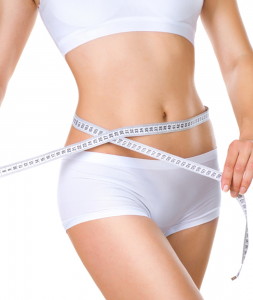
Liposuction scars are usually minimal because the procedure is performed through small incision points that allow the cannula to access the fat layer. These incisions are typically only a few millimeters long and are placed in discreet areas such as natural creases, along underwear lines, near the belly button, or within folds where they’re less noticeable. Since Liposuction Turkey plans often treat more than one area, you may have several tiny entry points rather than a single larger scar, but each mark is generally small and designed to blend in over time.
In the first weeks, incision sites can look pink, slightly raised, or darker than your surrounding skin, especially if you are prone to pigmentation. As healing progresses, they usually fade and flatten, becoming far less noticeable within months, though timing varies by skin type and genetics. Protecting healing skin from sun exposure, avoiding early friction, and following surgeon-approved scar care once the incisions are fully closed can support a smoother, more discreet scar outcome.
Recovery Timeline After Liposuction
Liposuction recovery typically happens in phases, and early swelling can make your body look “puffy” before it looks refined. In the first several days, soreness and tightness are common, and compression garments are usually recommended to support tissues, reduce swelling, and help the skin adapt to the new contour. Light walking is often encouraged early (as directed) to support circulation, while strenuous activity is restricted to avoid increased swelling and discomfort.
Over the following weeks, swelling gradually decreases and the shape becomes clearer, but it’s normal for swelling to fluctuate—often increasing later in the day or after more activity. Some areas settle faster than others, especially if multiple zones were treated. Final contour typically becomes more apparent as the tissues soften and swelling continues to resolve, which is why patience and consistent compression use can make a visible difference in how smooth and even your results look.
Pain, Swelling, and Bruising After Liposuction
Pain after liposuction is often described as soreness, tenderness, and a “bruised” feeling—similar to intense muscle soreness—rather than sharp pain all the time. The first few days are usually the most uncomfortable, particularly when changing positions or moving after rest. Tightness can also be noticeable because tissues are adjusting and swelling is at its peak. Prescribed pain relief, compression garments, hydration, and gentle movement typically make this phase manageable.
Bruising is common, especially in larger treatment areas, and usually fades gradually over the next weeks. Swelling tends to last longer than bruising and can temporarily hide your final contour, which is why early results can look uneven or softer than expected. Some firmness or lumpiness can occur as the body heals; this often improves with time and proper aftercare, and your clinic may recommend specific follow-up strategies depending on your case.
Risks and Complications of Liposuction
Liposuction is generally safe when performed by a qualified surgeon, but it is still surgery and carries risks—especially if too much is done at once or aftercare instructions are not followed.
- Infection
- Bleeding or hematoma
- Seroma (fluid collection)
- Contour irregularities, lumps, or asymmetry
- Prolonged swelling or firmness
- Skin laxity or uneven skin retraction
- Changes in sensation (numbness/tingling), usually temporary
- Scarring at incision sites (typically small)
- Blood clot risk (DVT/PE), especially without proper mobility precautions
- Rare anesthesia-related complications

How Long Do Liposuction Results Last?
Liposuction results can be long-lasting because fat cells removed during the procedure do not return in the treated areas in the same quantity. Once swelling settles and the tissues adapt, many patients enjoy a refined silhouette for years. However, the durability of the look depends heavily on maintaining stable weight, because remaining fat cells can still enlarge if you gain weight—softening definition and changing proportions.
Lifestyle plays a major role. If you keep a steady weight, stay active, and support skin quality (hydration, nutrition, avoiding smoking), results tend to remain strong. If weight fluctuates significantly, changes may show in the treated area and often in untreated areas as well, which can alter the overall balance you achieved with Liposuction Turkey.
Liposuction After Weight Loss
Liposuction after weight loss can be ideal for people who are close to their target weight but still have stubborn fat pockets that disrupt proportions—such as persistent abdominal fullness, flanks, or back fat that doesn’t respond to training. In this setting, liposuction can refine transitions and help the body match the slimmer shape you’ve worked hard to achieve, especially when fat remains in localized “resistant” zones.
The key consideration after weight loss is skin laxity. If there is significant loose skin, liposuction alone may not create a smooth outcome and can sometimes make laxity more noticeable. In these cases, a combined plan—such as pairing liposuction with skin-removal procedures (like tummy tuck or arm lift)—may be recommended for a cleaner, tighter result. A good Liposuction Turkey consultation should be honest about skin quality and whether you’ll benefit from contouring alone or need tightening as well.
Liposuction for Men vs Women
Liposuction works for both men and women, but treatment goals and common fat patterns often differ. Women frequently target the abdomen, waist, hips, thighs, and lower back to create smoother curves and a more defined waistline. Men often focus on the abdomen and flanks for a stronger V-taper, and some may also address the chest area in select cases to improve contour. The technique is similar, but the sculpting strategy is adjusted to preserve natural masculine or feminine proportions.
Skin thickness, fat distribution, and desired final shape can influence how aggressively an area is treated and whether high-definition approaches are appropriate. The best outcomes come from tailoring the plan to your anatomy rather than applying a standard template. In Liposuction Turkey clinics with strong body-contouring experience, surgeons typically emphasize smooth transitions to avoid over-suctioned or unnatural-looking results.
Can Liposuction Be Combined With Other Procedures?
Yes, liposuction is commonly combined with other procedures to improve overall balance and address concerns that fat removal alone cannot fix. It’s often paired with tummy tuck (to remove loose skin and tighten the abdomen), breast procedures (lift/augmentation/reduction), or body lifts after weight loss. Combining can be convenient because it can reduce the number of separate recoveries, and it can create a more harmonized silhouette by treating multiple related areas in one plan.
However, combination surgery must be planned conservatively. Treating too many areas or combining too many procedures can increase swelling, prolong downtime, and raise risk. A responsible surgeon will discuss safe operative time, appropriate fat-removal limits, your health profile, and whether staging procedures would be safer or produce a cleaner result. The goal is not “as much as possible,” but the best contour with the safest recovery.
Liposuction Turkey Prices 2026
Liposuction Turkey prices in 2026 vary depending on the number of areas treated, the technique used (traditional vs ultrasound-assisted vs high-definition), surgeon experience, anesthesia type, facility standards, and the scope of aftercare. Costs can also change based on whether you need multi-area sculpting, whether a hospital stay is included, and what the package covers—such as compression garments, medications, pre-op tests, and follow-up visits. Because clinics structure packages differently, comparing inclusions is just as important as comparing quotes.
The most accurate way to understand cost is through a consultation where your anatomy and goals determine the treatment plan and the safe amount of contouring. A reputable clinic will explain what’s included, set realistic expectations, and prioritize safety limits over extreme promises. For Liposuction Turkey pricing details in 2026, contact us today.
Instagram : dr.salihonurbasat
Frequently Asked Questions (FAQ)
Is it safe to get liposuction in Turkey?
It can be safe if you choose a qualified surgeon and an accredited facility with proper anesthesia support and strict hygiene standards. Safety depends on medical screening, conservative fat-removal limits, and structured follow-up—not the country alone.
Why is liposuction cheaper in Turkey?
Prices may be lower due to differences in operating costs and local market pricing. What matters most is what’s included (facility, anesthesia, aftercare) and the clinic’s safety standards, not just the headline quote.
How long do I need to stay in Turkey after liposuction?
Your stay depends on how many areas are treated and how you’re healing, because clinics usually want to check swelling, incisions, and mobility before you travel. Multi-area plans often require more follow-up than a single small area.
Which type of liposuction is best for me?
The best type depends on your target areas, skin elasticity, fat quality, and goals (slimming vs more definition). A good surgeon recommends a technique based on what will produce the smoothest contour for your anatomy, not on trendy device names.
Is liposuction painful?
Most people describe it as soreness, tenderness, and a bruised feeling rather than constant sharp pain. The first few days are typically the most uncomfortable, then it improves gradually with proper aftercare.
How long does swelling last after liposuction?
Swelling is strongest early on and then gradually decreases over the following weeks. Mild swelling can last longer, especially if multiple areas were treated or activity increases too quickly.
Are liposuction results permanent?
Fat cells removed are gone, so results can be long-lasting. However, maintaining stable weight is key because remaining fat cells can enlarge with weight gain.
Can fat come back after liposuction?
Removed fat cells don’t return in the same quantity, but weight gain can enlarge remaining fat cells. Fat can also build in untreated areas, changing your overall proportions.
When can I return to work after liposuction?
Desk-based work often allows an earlier return than physically demanding jobs. Your timeline depends on how many areas were treated, your comfort level, and swelling.
Will I have visible scars?
Liposuction leaves small incision marks that usually fade over time. They’re often placed in discreet locations or natural creases to be less noticeable.
Can liposuction remove belly fat permanently?
It can permanently remove fat cells from treated belly areas, but “permanent” still depends on weight stability. If you gain weight, remaining fat cells can expand and reduce the flatter look.
Is Turkey a good choice for liposuction
Turkey can be a good choice if you select a reputable surgeon and clinic with strong safety protocols and clear aftercare. Provider quality and planning matter more than the destination.
Can liposuction be combined with tummy tuck?
Yes, it’s commonly combined when you need both fat reduction and loose-skin removal. The combined plan should be tailored for safety, recovery, and the smoothest final contour.
How do I choose the best clinic for liposuction in Turkey?
Verify surgeon credentials, review consistent before-and-after results for similar body types, and confirm facility and anesthesia standards. Choose a clinic that explains risks, limits, and recovery clearly and provides structured follow-up.
Are liposuction results natural-looking?
Yes, when the plan is conservative and focused on smooth transitions rather than aggressive removal. Natural-looking results depend on good technique, realistic goals, and skin elasticity.