

Breast Reduction Turkey refers to having breast reduction surgery in Turkey, a procedure designed to decrease breast size while improving shape, lift, and overall comfort. Many patients consider Breast Reduction Turkey not only for aesthetic balance, but also to relieve physical issues such as neck, shoulder, and back discomfort, bra-strap grooves, posture strain, and skin irritation under the breasts. By reducing excess breast tissue and reshaping the breast, the surgery can create a lighter, more proportional look that feels better in daily life and fits clothing more comfortably.
Because every body is different, a successful breast reduction plan is highly personalized. Your surgeon evaluates breast volume, skin quality, nipple position, symmetry, and your desired final shape to determine the most appropriate technique and scar pattern. With a structured recovery plan and proper aftercare, swelling gradually settles, scars mature over time, and patients often experience both functional relief and a more balanced silhouette.
What Is Breast Reduction in Turkey?
Breast reduction in Turkey is a surgical procedure that decreases breast size while improving shape, lift, and overall balance with the rest of the body. Many people researching Breast Reduction Turkey are looking for more than a cosmetic change—they often want relief from daily discomfort caused by heavy breasts, such as neck and shoulder strain, back pain, bra-strap grooves, posture fatigue, or skin irritation under the breast fold. By removing excess breast tissue and reshaping the breast, reduction surgery aims to create a lighter, more proportionate silhouette that feels easier to live with and looks natural in clothing.
Breast reduction is not a one-size-fits-all operation. The amount of tissue removed, the final breast shape, and the scar pattern depend on your anatomy, skin quality, nipple position, and your desired outcome. A well-planned reduction focuses on both comfort and aesthetics—maintaining symmetry, achieving a lifted contour, and positioning the nipple in a natural location—while prioritizing safe healing and long-term stability.
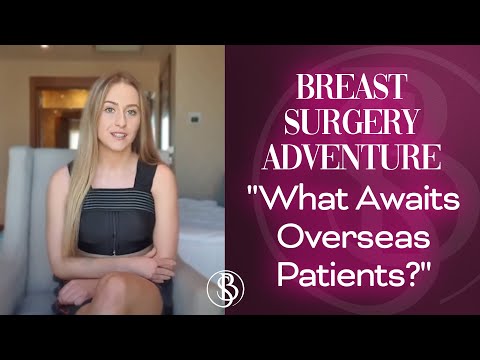
Why Choose Turkey for Breast Reduction Surgery?
Many patients consider Breast Reduction Turkey because Turkey is a major destination for aesthetic surgery with clinics that frequently treat international patients. High case volume can mean surgical teams are familiar with a wide range of breast shapes and reduction needs—from moderate reductions focused on comfort to more significant reductions where reshaping and lift are equally important. For medical travelers, clinics may also offer structured schedules for consultation, surgery, and early follow-up, which can make planning simpler.
However, choosing Turkey should be about provider quality rather than the country alone. Safety and results depend on surgeon experience, facility standards, anesthesia support, and honest pre-op screening. A reputable clinic will explain technique options, scar expectations, realistic sizing, and recovery limits clearly—and will never “rush” your decision or ignore medical risk factors. The best outcomes come from careful planning and responsible aftercare.
Who Is a Good Candidate for Breast Reduction?
A good candidate is someone whose breast size causes physical discomfort or lifestyle limitations and who is medically fit for surgery with realistic expectations about scars and final shape.
- Neck, shoulder, or back discomfort related to breast weight
- Bra-strap grooves, posture strain, or skin irritation under the breasts
- Difficulty exercising or finding comfortable clothing
- Desire for a smaller, more proportionate breast size
- Good general health and fit for anesthesia
- Non-smoker (or willing to stop nicotine before/after as advised)
- Realistic expectations about scarring and healing
- Stable weight (major changes can affect breast size/shape)
What Is Breast Reduction Surgery (Reduction Mammaplasty)?
Breast reduction surgery, also known as reduction mammaplasty, removes excess breast tissue, fat, and skin to reduce size while reshaping the breast for a lifted, supported look. In many cases, the nipple and areola are repositioned to a more natural height to match the new breast contour. The procedure is carefully planned to create a balanced shape, improve symmetry, and reduce heaviness without making the breasts look flat or unnatural.
Because breast reduction combines “size reduction” with “lift,” it often improves both comfort and appearance. The surgeon chooses the technique based on your breast volume, skin elasticity, degree of sagging, and how much reduction is needed. A thoughtful plan also considers long-term stability—so the breast maintains a pleasing contour as swelling settles and tissues heal.
Reasons for Breast Reduction
Breast reduction is often chosen for both functional relief and improved body proportions, especially when heavy breasts impact daily comfort and lifestyle.
- Neck, shoulder, and upper back discomfort
- Shoulder grooves from bra straps
- Skin irritation or rashes under the breast fold
- Difficulty with sports and physical activity
- Poor posture or feeling “pulled forward”
- Challenges finding supportive bras and well-fitting clothing
- Desire for a more balanced, proportional silhouette
- Emotional discomfort or self-consciousness due to breast size
Breast Reduction vs Breast Lift: What’s the Difference?
A breast lift (mastopexy) mainly corrects sagging by tightening and reshaping the breast and repositioning the nipple higher, but it does not significantly reduce breast volume. A lift is ideal when the primary concern is droopiness, stretched skin, or a low nipple position, and the patient is generally happy with their breast size but wants a perkier shape.
Breast reduction includes a lift, but also removes breast tissue to decrease size and weight. If your main issues are heaviness, discomfort, or feeling that breasts overpower your frame, reduction is usually the better option. Some patients who appear “large” actually have more sagging than volume, while others have true excess tissue—so a consultation for Breast Reduction Turkey should clarify whether you need reduction, lift, or a combination strategy to match your goals.
How Is Breast Reduction Performed in Turkey?
Breast reduction in Turkey typically begins with a detailed consultation and measurements to plan size goals, symmetry, nipple positioning, and scar placement. On surgery day, the procedure is usually performed under general anesthesia. The surgeon makes incisions based on the chosen technique, removes excess breast tissue and skin, reshapes the remaining tissue to form a lifted contour, and repositions the nipple and areola to match the new breast shape while preserving blood supply as safely as possible.
After reshaping, the incisions are closed in layers to support healing and reduce tension on the skin. A supportive surgical bra is typically used to control swelling and stabilize the breasts as they settle. Follow-up appointments are important to monitor healing, manage swelling, and ensure the new shape is developing evenly—especially for international patients who need structured care during their stay.
How Long Does Breast Reduction Surgery Take?
Surgery time varies depending on how much reduction is needed, how complex the reshaping is, and how much asymmetry correction is required. A straightforward reduction can be quicker than a case where significant lifting, large tissue removal, or careful symmetry balancing is needed. The surgeon’s technique and your breast anatomy can also influence how detailed the procedure must be to achieve a natural contour.
It’s also important to consider the full time at the facility, not only the time in the operating room. Pre-op preparation, anesthesia, and post-op monitoring extend the day. Your surgeon can provide the most accurate estimate after evaluating your anatomy and confirming the planned reduction amount and technique.
Is Breast Reduction Safe in Turkey?
Breast reduction can be safe in Turkey when performed by an experienced surgeon in a properly equipped facility with qualified anesthesia support and modern safety standards. Safety depends on medical screening, sterile technique, careful surgical planning, and clear post-op instructions. Because breast reduction involves significant tissue reshaping, surgeon skill is especially important for minimizing risks related to wound healing, symmetry, and long-term breast shape.
For international patients, safety also includes structured follow-up and travel planning. A reputable Breast Reduction Turkey clinic will schedule post-op checks, provide clear guidance on activity restrictions, and explain warning signs that need attention. If a provider downplays risks, pushes unrealistic size promises, or lacks transparency about technique and aftercare, that’s a red flag.
Breast Reduction Scars: What to Expect
Breast reduction scars depend on the incision pattern used, which is chosen based on breast size, sagging level, and the amount of tissue to be removed. Common scar patterns include around the areola, a vertical line down the breast, and sometimes a scar along the breast fold. While scars are permanent in the sense that they don’t disappear completely, they usually fade and soften over time and are placed to be as discreet as possible in typical clothing and bras.
In the first weeks, scars may look red or slightly raised and can feel firm or itchy as they heal. Over months, they typically flatten and lighten. Genetics, skin type, incision tension, and how well you follow recovery instructions all affect scar quality, so good aftercare—supportive bras, avoiding heavy lifting early on, and sun protection—helps scars mature more smoothly.
Recovery Timeline After Breast Reduction
Recovery after breast reduction is usually progressive, with the most noticeable swelling and tenderness occurring early on. In the first days, you’ll likely wear a supportive surgical bra and be advised to rest while still doing gentle movement as directed. Many patients feel immediate relief from heaviness, but the breasts can look higher, tighter, or more swollen initially, which gradually improves as swelling settles and tissues soften.
Over the following weeks, comfort increases and mobility improves, but heavy lifting, intense exercise, and wide arm movements are usually restricted for a period to protect incisions and support clean scar healing. The final breast shape continues to refine over time as swelling resolves and internal tissues remodel, so the most “settled” look often appears later rather than immediately.
Pain, Swelling, and Healing Process
Pain after breast reduction is commonly described as soreness, tightness, and tenderness rather than sharp pain all the time. Discomfort is usually strongest in the first week, then gradually improves. Swelling and bruising are normal and can make the breasts look firmer or more elevated early on. With proper support, medication as prescribed, and careful movement, most patients find the early phase manageable.
Healing also involves scar maturation and tissue settling. Some temporary numbness or sensitivity changes can occur around the nipple or incision areas as nerves recover. It’s common for one side to heal slightly faster than the other, which can create temporary asymmetry. Following your surgeon’s instructions—especially around bra use, sleeping position, hygiene, and activity limits—supports smoother healing and a more refined final contour.
Risks and Complications of Breast Reduction Surgery
Breast reduction is generally safe when performed by a qualified surgeon, but it carries surgical risks and procedure-specific considerations that should be understood clearly.
- Infection
- Bleeding or hematoma
- Delayed wound healing or wound separation
- Unfavorable scarring
- Asymmetry or contour irregularities
- Changes in nipple or breast sensation (often temporary, sometimes longer-lasting)
- Seroma (fluid collection)
- Nipple/areola blood supply issues (rare but serious)
- Difficulty breastfeeding in some cases
- Rare anesthesia-related complications
How Long Do Breast Reduction Results Last?
Breast reduction results can be long-lasting because excess tissue and skin are removed and the breast is reshaped into a lighter, more supported form. Many patients enjoy stable improvement for years, especially when weight remains steady and supportive bras are used during high-impact activity. That said, the breasts will still respond to natural aging, gravity, and skin elasticity changes over time, so some gradual softening or mild droop can happen even after a well-performed reduction.
Long-term stability is most influenced by weight fluctuations, pregnancy, and hormonal changes. Significant weight gain can increase breast volume again, while weight loss can reduce fullness and sometimes affect shape. Choosing a realistic final size that suits your frame and following post-op guidance helps maintain a natural contour for the long term.
Breast Reduction After Pregnancy or Weight Loss
After pregnancy, breasts can become heavier, more stretched, or more sagging due to hormonal changes and breastfeeding-related volume shifts. Breast reduction can help by removing excess tissue, lifting the breast, and improving comfort and proportion—especially if heaviness causes daily strain. If you’re considering future pregnancy, timing matters because another pregnancy can change breast volume and shape again, potentially reducing the longevity of results.
After weight loss, breast size may decrease but sagging and loose skin can become more noticeable, leaving breasts that feel empty or droopy despite a healthier body weight. In these cases, breast reduction may still be appropriate if there’s ongoing heaviness, but some patients benefit more from reshaping and lifting rather than major size reduction. A good consultation should clarify whether you need true reduction, a lift, or a tailored combination to match your new proportions.
Breast Reduction for Medical vs Aesthetic Reasons
Breast reduction is often performed for medical reasons, aesthetic reasons, or both. Medically, it’s commonly sought to reduce neck and back strain, improve posture comfort, relieve bra-strap grooves, and minimize rashes or irritation under the breasts. When these symptoms are present, patients often describe the procedure as life-improving because daily activities, exercise, and clothing fit become easier and more comfortable.
Aesthetically, patients may want a more proportional breast size, improved symmetry, and a lifted, youthful shape that better matches their frame. In reality, the two goals overlap: reducing size often improves shape, and improving shape often improves comfort. The best plans prioritize proportion and functional relief while preserving a natural breast contour.
Can Breast Reduction Be Combined With Other Procedures?
Yes, breast reduction can be combined with other procedures, especially when patients want a more comprehensive body refresh. Common combinations include liposuction in targeted areas for contour balance, tummy tuck as part of a mommy makeover plan, or other body-contouring procedures depending on goals. Combining surgeries can be convenient because it may reduce the number of separate recovery periods and help harmonize overall proportions.
However, combining procedures increases surgical scope and recovery demands, so it must be planned conservatively. A responsible surgeon will consider operative time, your health profile, and safe limits—sometimes recommending staging to reduce risk and achieve cleaner healing. The safest combined plan is the one that matches your body and recovery capacity rather than trying to do “everything at once.”
Breast Reduction Turkey Prices 2026
Breast Reduction Turkey prices in 2026 vary based on the surgeon’s experience, the clinic’s standards, the complexity of your case (degree of reduction, asymmetry correction, amount of lift needed), anesthesia and facility fees, and what is included in aftercare. Package structures also differ—some quotes include garments, medications, tests, and follow-up visits, while others list these separately—so it’s important to compare what’s included rather than only comparing a headline figure.
The most accurate cost comes from a consultation where your anatomy and goals determine the surgical plan and technique. A reputable clinic will be transparent about inclusions, explain scar patterns and recovery expectations clearly, and prioritize safe reshaping over unrealistic “instant perfect” promises. For Breast Reduction Turkey pricing details in 2026, contact us today.
Instagram : dr.salihonurbasat
Frequently Asked Questions (FAQ)
Is it safe to get breast reduction surgery in Turkey?
It can be safe if you choose a qualified surgeon and an accredited facility with strong anesthesia and hygiene standards. Safety depends on proper screening, careful technique, and structured follow-up—more than the destination itself.
Why is breast reduction cheaper in Turkey?
Prices may be lower due to differences in operating costs and local market pricing. The key is to evaluate surgeon experience, facility standards, and what the quote includes (anesthesia, hospital fees, aftercare), not just cost.
How long do I need to stay in Turkey after breast reduction?
Your stay depends on your healing and the clinic’s follow-up schedule, since incision checks and early monitoring are important before travel. Many patients plan enough time for post-op visits to confirm stable healing progress.
Is breast reduction surgery painful?
Most patients feel soreness, tightness, and tenderness rather than constant sharp pain. Discomfort is usually strongest early on and improves gradually with proper pain control, rest, and supportive bra use.
Will I have permanent scars after breast reduction?
Yes, scars are permanent in the sense that they don’t fully disappear, but they usually fade and soften significantly over time. Scar type and visibility depend on incision pattern, skin type, and aftercare.
Can breast reduction relieve back and neck pain?
Yes, many patients experience relief from neck, shoulder, and back strain because breast weight is reduced. How much relief you feel depends on your individual anatomy and whether symptoms were primarily related to breast heaviness.
How much breast tissue is removed during surgery?
The amount removed varies widely based on your starting size, goals, and what is needed for balance and comfort. Surgeons remove enough tissue to achieve proportion and symptom relief while keeping a natural shape and safe blood supply.
Are breast reduction results permanent?
Results can be long-lasting because removed tissue is gone, but the breasts can still change with aging, weight fluctuations, pregnancy, and hormonal shifts. Maintaining stable weight helps preserve results.
Can breasts grow back after reduction?
They can increase in size again if you gain weight or experience hormonal changes, because remaining breast tissue can respond to those factors. They typically do not “return” to the same pre-surgery size without significant body changes.
When can I return to work after breast reduction surgery?
Return-to-work timing depends on your job demands. Desk-based work is often possible earlier than physically demanding jobs, and your surgeon will guide you based on swelling, comfort, and incision healing.
Can I breastfeed after breast reduction?
Some people can breastfeed after reduction, but it depends on the technique and individual anatomy, and there is a risk that breastfeeding ability may be reduced. If this is important to you, discuss it during consultation so technique choices can align with that priority.
Is Turkey a good destination for breast reduction in 2026?
Turkey can be a good destination in 2026 if you select a reputable surgeon and clinic with proven experience and proper standards. Provider quality, transparency, and aftercare planning matter more than location.
How do I choose the best surgeon for breast reduction in Turkey?
Verify credentials, review consistent before-and-after results for similar cases, and choose a surgeon who explains scar patterns, risks, and realistic sizing clearly. A strong clinic also provides structured follow-up and clear recovery guidance.
Can breast reduction be combined with a breast lift?
Yes—breast reduction typically includes a lift because the breast is reshaped and the nipple is repositioned. Even when the goal is mainly size reduction, lifting is usually part of creating a supported, natural contour.
Do breast reduction results look natural?
Yes, natural-looking results are common when the reduction is tailored to your frame and the surgeon focuses on proportion and smooth shaping. The most natural outcomes balance size reduction with a lifted contour and symmetry.