

Nasolabial Filler Applications Turkey has become a popular option for people who want to soften the appearance of smile lines and achieve a smoother, more refreshed facial look without surgery. Nasolabial folds are the lines that run from the sides of the nose toward the corners of the mouth, and they can become more noticeable over time due to natural volume loss, changes in skin elasticity, and facial movement. With carefully selected dermal fillers—most commonly hyaluronic acid—experienced injectors can restore support in key areas, reduce shadowing, and create a more balanced transition between the mid-face and lower face.
Choosing Nasolabial Filler Applications Turkey also appeals to international patients because many clinics focus on personalized facial assessment and natural-looking correction rather than heavy filling. A professional approach often considers the whole face, including cheek support and overall proportions, since nasolabial folds may improve more effectively when the mid-face is subtly lifted and supported. When planned conservatively and performed with safe technique, Nasolabial Filler Applications Turkey can deliver refined results that look natural in motion while helping the face appear rested and youthful.
What Are Nasolabial Filler Applications in Turkey?
Nasolabial filler applications in Turkey usually refer to non-surgical injectable treatments designed to soften the appearance of nasolabial folds—the lines running from the sides of the nose to the corners of the mouth. The procedure typically uses dermal fillers, most often hyaluronic acid-based products, to reduce shadowing and create a smoother transition between the mid-face and lower face. Rather than “erasing” expression lines completely, the goal is usually a natural-looking refresh that maintains facial movement while making the folds appear less deep.
In many Turkish clinics, treatment planning for nasolabial folds starts with a full-face assessment, not just a focus on the lines themselves. This is important because nasolabial folds often become more visible when mid-face support decreases over time, causing the cheeks to descend and create deeper creasing. A skilled injector may recommend restoring cheek support first or using a combined approach so the result looks balanced and avoids heaviness around the mouth area.
Why Choose Turkey for Nasolabial Filler Treatments?
Turkey is a popular destination for aesthetic injectables, and many patients choose nasolabial filler treatments here because clinics often combine modern techniques with experience treating international visitors. In larger cities, it’s common to find consultation-led planning, detailed facial analysis, and injector techniques that aim for a refreshed look without overfilling. Since the nasolabial area can easily look unnatural if treated too aggressively, provider expertise and conservative product placement are key advantages when selecting a clinic.
Another reason is convenience: many clinics offer flexible scheduling, streamlined consultations, and clear aftercare guidance that works well for short trips. While affordability can be part of the appeal, the best value comes from choosing a provider who uses authentic, traceable fillers and prioritizes safety and facial harmony. A reputable clinic will be transparent about the product used, the amount recommended, and whether additional mid-face support is needed for the most natural outcome.
What Are Nasolabial Folds (Smile Lines)?
Nasolabial folds, often called smile lines, are the creases that extend from the sides of the nose down toward the corners of the mouth. They are a normal part of facial anatomy and become more noticeable over time due to a combination of repetitive expression, gradual volume loss in the mid-face, and changes in skin elasticity. As the cheeks lose support, the skin can fold more deeply in this region, creating stronger shadows that make the lines appear more prominent.
It’s also important to understand that nasolabial folds are not always caused by skin aging alone. Facial structure, genetics, weight changes, and even dental support can influence how visible they are. In some people, the folds are present at a younger age because of natural cheek anatomy or strong facial expressions. That’s why effective treatment often focuses on restoring support and smoothing transitions rather than trying to completely eliminate a natural crease.
Who Is a Good Candidate for Nasolabial Fillers?
Nasolabial fillers may be a good option for adults who want to soften the appearance of smile lines and reduce shadowing around the mid-face and mouth area without surgery. The best candidates usually want a natural refresh, understand that movement lines won’t disappear completely, and are open to a full-face approach if cheek support is contributing to the folds.
- Adults with mild to moderate nasolabial folds that create noticeable shadowing
- People who want a refreshed look without changing facial expression
- Individuals experiencing mid-face volume loss that makes folds more visible
- Those who want subtle correction rather than a dramatic change
- Patients with realistic expectations about natural facial movement
- People seeking a non-surgical option with manageable recovery
- Individuals willing to follow aftercare guidance for best healing
What Are Nasolabial Fillers Made Of?
Most nasolabial fillers are made of hyaluronic acid (HA), a substance naturally found in the body that attracts water and supports hydration. HA fillers are commonly chosen because they can create smooth, natural-looking correction and are typically reversible with an enzyme (hyaluronidase) if needed. For the nasolabial area, injectors often select a filler with the right balance of flexibility and support, so the result blends well while still providing enough lift to reduce shadowing.
Different filler formulas behave differently depending on their thickness, elasticity, and how they integrate into tissue. Because the mouth area is highly mobile, product selection matters—too firm can look heavy, and too soft may not provide enough structure. A skilled injector chooses a filler based on your fold depth, facial movement, and whether additional support in the cheeks is needed to create a more natural, long-lasting improvement.
How Are Nasolabial Fillers Applied in Turkey?
Nasolabial filler application in Turkey typically begins with a consultation where the injector evaluates your face at rest and in motion, checking how your cheeks, smile, and mid-face support affect the depth of the folds. Many clinics plan treatment as part of a broader facial balancing strategy, sometimes recommending cheek support first to reduce tension in the fold area. The provider will also discuss your desired outcome—subtle softening versus more visible correction—and explain the amount and technique likely to suit your anatomy.
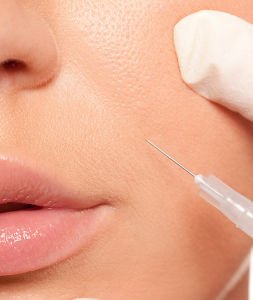
The procedure itself usually involves cleansing, optional topical numbing, and careful placement of filler using either a needle or cannula depending on technique and safety preferences. Product is often added gradually, with the injector checking symmetry and avoiding overfilling near the mouth where heaviness can occur. After treatment, you’ll receive aftercare instructions focused on minimizing swelling and protecting the area while the filler settles, along with guidance on when to return for a review if minor adjustments are needed.
How Long Does a Nasolabial Filler Procedure Take?
A nasolabial filler appointment is usually relatively quick, but the total visit time depends on how detailed the consultation and facial assessment is. Many clinics spend meaningful time evaluating your mid-face support, smile dynamics, and whether cheek volume loss is contributing to the folds—because treating the line alone is not always the most natural approach. Cleansing, optional topical numbing, and careful planning can take as long as the injection step itself, especially if your provider uses a conservative “add slowly and reassess” method.
The procedure can also take longer if asymmetry needs correction or if the injector uses a cannula technique, which may require more careful entry-point planning and slower placement. Some patients also choose a combined plan (for example, subtle cheek support plus fold softening), which adds time but often improves balance. Even so, this is generally considered a convenient treatment that can fit into a travel schedule when properly planned.
Are Nasolabial Fillers Safe in Turkey?
Nasolabial fillers can be safe in Turkey when performed by a qualified medical injector who understands facial anatomy, uses authentic products, and follows strict hygiene and aftercare protocols. Safety depends heavily on technique and product selection because this area is highly mobile and can look heavy if overfilled. A reputable clinic will screen your medical history, evaluate your facial structure, explain realistic outcomes, and choose a conservative plan that supports natural movement.
It’s also important that the provider can recognize and respond to rare complications. While serious events are uncommon, any dermal filler carries risk, which is why injector experience and proper clinical standards matter more than price. Choosing a clinic that offers clear follow-up support and transparent information about the filler brand and lot traceability is one of the best ways to reduce risk and improve overall confidence in the treatment process.
Nasolabial Filler Swelling and Bruising: What to Expect
Swelling and bruising are common short-term effects after nasolabial filler because injections can irritate small blood vessels and the tissue around the mouth is active and expressive. Many people notice mild puffiness or a “fuller” feeling near the fold area immediately after treatment, with swelling sometimes becoming more noticeable within the first 24–48 hours. Bruising can appear as small spots or light discoloration near the injection points and typically fades gradually over several days depending on your tendency to bruise.
Early appearance is not the final result. The nasolabial region can look slightly uneven at first because swelling may be different on each side, especially if one fold needed more product. As the tissue calms and the filler integrates, the contour usually looks smoother and more natural. If you have important plans, allowing a buffer period is wise so that any bruising or puffiness has time to settle before photos or events.
Recovery and Downtime After Nasolabial Fillers
Recovery after nasolabial fillers is usually manageable, and many people return to normal activities quickly. You may feel mild tenderness when touching the area, smiling widely, or sleeping on your side during the first days. Some people prefer a short window of social downtime if they bruise easily, but medically, most are comfortable resuming routine tasks soon after treatment as long as they follow basic aftercare guidance.
Aftercare typically focuses on minimizing swelling and avoiding unnecessary pressure around the mouth. It’s usually recommended to skip intense exercise and high-heat environments for a short period, avoid aggressive facial massage, and keep skincare gentle while the area settles. Because the mouth area moves constantly, giving the filler time to stabilize can help results look smoother and reduce the risk of unevenness from early manipulation.
Risks and Side Effects of Nasolabial Fillers
Nasolabial fillers are commonly performed and often well tolerated, but they still carry potential side effects and rare risks. The likelihood of problems depends on injector technique, product choice, your anatomy, and how well aftercare is followed—especially in a mobile area where overfilling can create heaviness.
- Temporary swelling, tenderness, and redness
- Bruising near injection sites
- Mild lumps or uneven texture during early healing
- Temporary asymmetry while swelling resolves
- Overfilling or heaviness around the mouth if too much product is used
- Infection risk if hygiene or aftercare is poor
- Allergic reaction (uncommon, but possible)
- Vascular complications (rare but serious) requiring immediate medical attention
How Long Do Nasolabial Filler Results Last?
Longevity varies depending on the filler formula, the amount used, your metabolism, and how much movement and compression the area experiences in daily life. Because the nasolabial region is close to the mouth and constantly active during talking and smiling, results can soften gradually over time. Many patients find that the most noticeable improvement is after initial swelling settles, then the outcome slowly becomes subtler as the body breaks down hyaluronic acid.
A full-face strategy can influence how long results remain pleasing. If cheek support is restored appropriately, less filler may be needed directly in the fold, and the outcome can look more stable and natural. Maintenance plans often focus on conservative touch-ups rather than repeatedly adding large volumes to the fold itself, which helps preserve a smooth transition and reduces the risk of heaviness.
Nasolabial Fillers for Natural-Looking Results
Natural-looking nasolabial correction usually comes from treating shadow and support rather than trying to completely erase the fold. Since nasolabial lines are part of normal facial anatomy, a skilled injector aims to soften the crease and improve the mid-face-to-mouth transition while keeping your expressions intact. Overfilling can make the area look puffy or heavy, so the most natural outcomes often use smaller amounts placed precisely at the right depth.
Many injectors prioritize mid-face support first, especially when cheek descent contributes to fold depth. By subtly lifting and supporting the cheek, the fold can relax, allowing less product to be placed directly in the line. This approach often produces a fresher look that still appears natural in motion and in different lighting, which is important because shadowing can vary significantly with facial movement.
Nasolabial Fillers for Men vs Women
Nasolabial fillers can be tailored for both men and women, but aesthetic priorities sometimes differ. Many men prefer a correction that looks subtle and structural, avoiding any “softened” look that could change masculine facial character. Treatment may focus on reducing shadowing while keeping the mid-face strong and maintaining a natural, less rounded contour.
Women may more commonly request a smoother transition and a refreshed look around the mouth, often paired with cheek support for a gentle lift effect. However, the best plan depends on individual anatomy, not gender. A skilled injector adapts product choice, placement depth, and amount to match facial proportions, movement patterns, and the level of change you want.
Can Nasolabial Fillers Be Dissolved?
If hyaluronic acid fillers are used—which is most common—they can typically be dissolved with an enzyme called hyaluronidase. Dissolving may be considered if there is overfilling, unwanted shape, persistent lumps that do not settle, or if a safety-related concern requires correction. In many cases, dissolving can be targeted rather than removing everything, allowing the provider to refine the result while keeping some support.
Dissolving should be treated as a medical procedure and performed by an experienced professional who understands facial anatomy and filler behavior. The area around the mouth is sensitive and highly mobile, so careful assessment is important to avoid over-correction. If you are choosing a clinic, it’s reasonable to ask about their follow-up and correction protocols because responsible practice includes managing outcomes after the injection day.
Nasolabial Filler Applications Turkey Prices 2026
Nasolabial filler pricing in Turkey in 2026 can vary depending on clinic location, injector experience, filler brand and formulation, and how much product is needed for your anatomy and goals. Costs may also differ based on whether the plan includes a full-face approach (such as cheek support), follow-up checks, or refinement appointments. Because the most natural outcomes often involve strategic planning rather than simply “filling the line,” quotes can vary significantly between clinics based on technique and protocol.
For the most accurate cost, clinics usually recommend a personalized assessment to determine the right amount and placement strategy. When comparing options, it helps to confirm product authenticity and traceability, ask what is included in the treatment plan, and ensure aftercare and follow-up support are clearly explained—these factors often matter more to overall value than the lowest advertised price.
Frequently Asked Questions (FAQ)
Are nasolabial fillers safe in Turkey?
Nasolabial fillers can be safe in Turkey when they are performed by a qualified medical injector in a reputable clinic that uses authentic, traceable products and follows strict hygiene protocols. Safety depends heavily on correct technique, conservative dosing, and a full-face assessment—because treating the fold too aggressively can create heaviness around the mouth and reduce natural-looking movement.
Why are nasolabial fillers cheaper in Turkey?
Nasolabial fillers may be more affordable in Turkey due to lower clinic operating costs, strong market competition, and high patient volume in aesthetic medicine. Prices still vary depending on the injector’s experience, the filler brand and formulation, the amount used, and whether follow-up checks or refinements are included in the treatment plan.
How long do nasolabial fillers last?
Longevity depends on the filler type, how much is placed, your metabolism, and how active the area is with daily expression. Because the region is close to the mouth and moves frequently, results can soften gradually over time, and many people maintain the look with conservative touch-ups rather than repeatedly adding large amounts.
Is nasolabial filler treatment painful?
Most people find it mildly to moderately uncomfortable rather than painful, especially because topical numbing is commonly used and many fillers include a local anesthetic. You may feel brief pinches and pressure, and sensitivity can be slightly higher near the corners of the mouth, but an experienced injector can adjust pacing and technique to improve comfort.
How long does swelling last after nasolabial fillers?
Swelling often appears immediately, can be more noticeable during the first 24–48 hours, and then gradually improves over several days. Mild unevenness early on is common because swelling can differ from side to side, so the final result is best judged after the area has fully settled.
Can nasolabial fillers look natural?
Yes—nasolabial fillers can look very natural when the goal is softening shadow and improving support rather than completely erasing the fold. Many of the most natural outcomes come from a conservative approach and, when needed, adding subtle cheek support so less filler is placed directly into the smile line.
How much filler is needed for smile lines?
The amount needed depends on fold depth, facial structure, cheek support, and the level of correction you want. Many injectors prefer a gradual approach—starting conservatively and reassessing—because overfilling in this area can look heavy, especially when you smile.
Can nasolabial fillers be dissolved?
If hyaluronic acid fillers are used (the most common option), they can typically be dissolved with an enzyme called hyaluronidase. Dissolving can be targeted to refine shape or correct issues, and it should be performed by an experienced professional, especially because the mouth area is highly mobile and requires precision.
When can I return to work after nasolabial filler treatment?
Many people return to work the same day or the next day, depending on how visible swelling or bruising is. If you have a client-facing job or want to look fully settled, giving yourself a few days of buffer time can be helpful, since bruising and puffiness can vary by individual.
Are there risks with nasolabial filler injections?
Yes—there are risks with any dermal filler, although most side effects are temporary when treatment is performed correctly. Common effects include swelling, bruising, tenderness, and temporary unevenness, while rare but serious complications can occur, which is why injector skill and clinic standards are essential.
Is Turkey a good destination for nasolabial fillers?
Turkey can be a good destination for nasolabial fillers because many clinics are experienced with international patients and offer modern aesthetic services. Your outcome depends on choosing a reputable provider who uses authentic products, performs a proper facial assessment, and prioritizes natural-looking correction over aggressive filling.
How do I choose the best clinic for nasolabial fillers in Turkey?
Choose a clinic that offers a thorough consultation, is transparent about the filler brand and traceability, explains risks and aftercare clearly, and has a clear follow-up pathway. Strong signs include medical oversight, conservative planning, realistic expectations, and an injector who evaluates cheek support and facial balance—not only the line itself.
Can nasolabial fillers lift the face?
Nasolabial fillers alone can improve the look of folds, but the most noticeable “lift” effect often comes from restoring mid-face support, such as subtle cheek enhancement. When cheeks are supported appropriately, the fold can relax and the lower face can look smoother and more refreshed, creating an overall lifted impression.
What happens if nasolabial fillers are repeated regularly?
Regular treatments can help maintain a smoother transition, but repeated filling directly into the fold without addressing mid-face support can increase the risk of heaviness or puffiness over time. A responsible injector monitors your tissue, keeps dosing conservative, and may recommend cheek support or longer intervals to avoid overfilling and preserve a natural look.
Do nasolabial filler results feel natural?
After the initial settling period, results usually feel natural and should not feel obvious during normal movement. Early on, the area may feel slightly firm or tender, but as swelling resolves and the filler integrates, most people report a comfortable, natural sensation that blends with everyday facial expressions.